


To build lasting bonds between a child and parents, it is essential to instill trust in the caregivers in the little one. What should you pay attention to when caring for an infant?
-
Satisfy the child's needs - by responding to their current needs precisely and correctly, you increase the chance of building a trusting attitude,
-
perform predictable, repeatable, and organized activities - rituals help develop a sense of security,
-
maintain contact with the little one both verbally and non-verbally - express emotions through facial expressions, comment on current activities, talk about the surroundings, and inform the child about events they participate in,
-
encourage the child to express emotions,
-
encourage the little one to pay attention to various things - this will make them keen to explore their surroundings, try to take independent actions, and listen with interest to caregivers' explanations,
-
engage in the child's activities.
So Sixty collection for little ones and parents building lifelong bonds
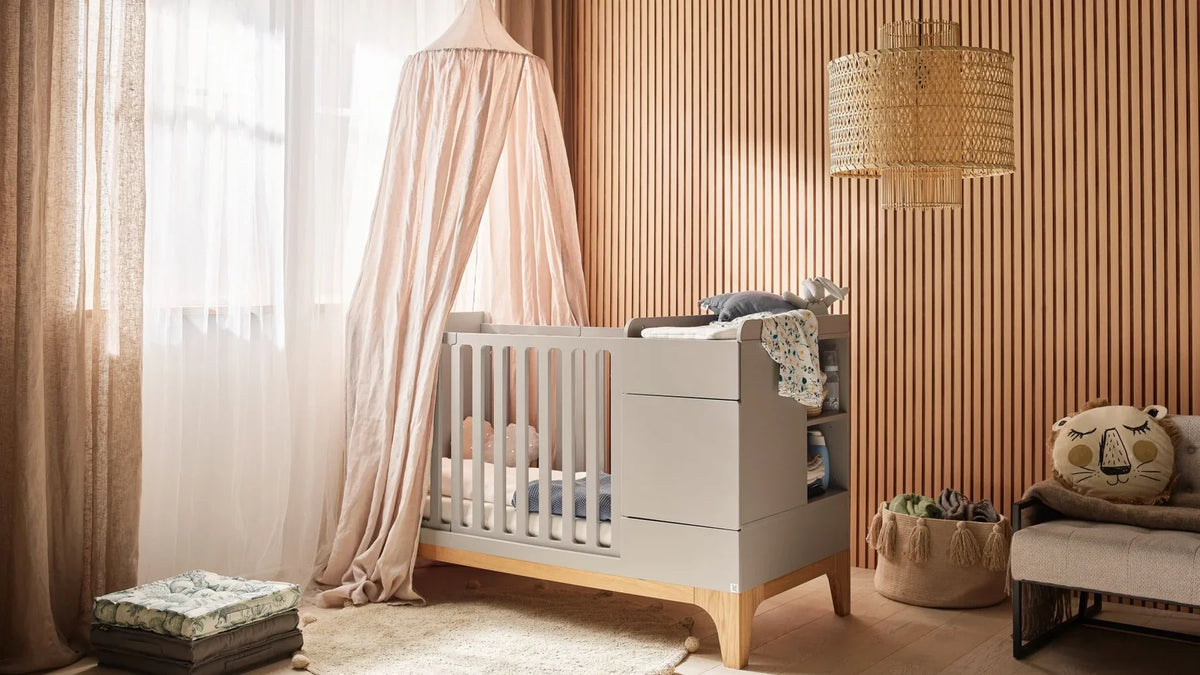
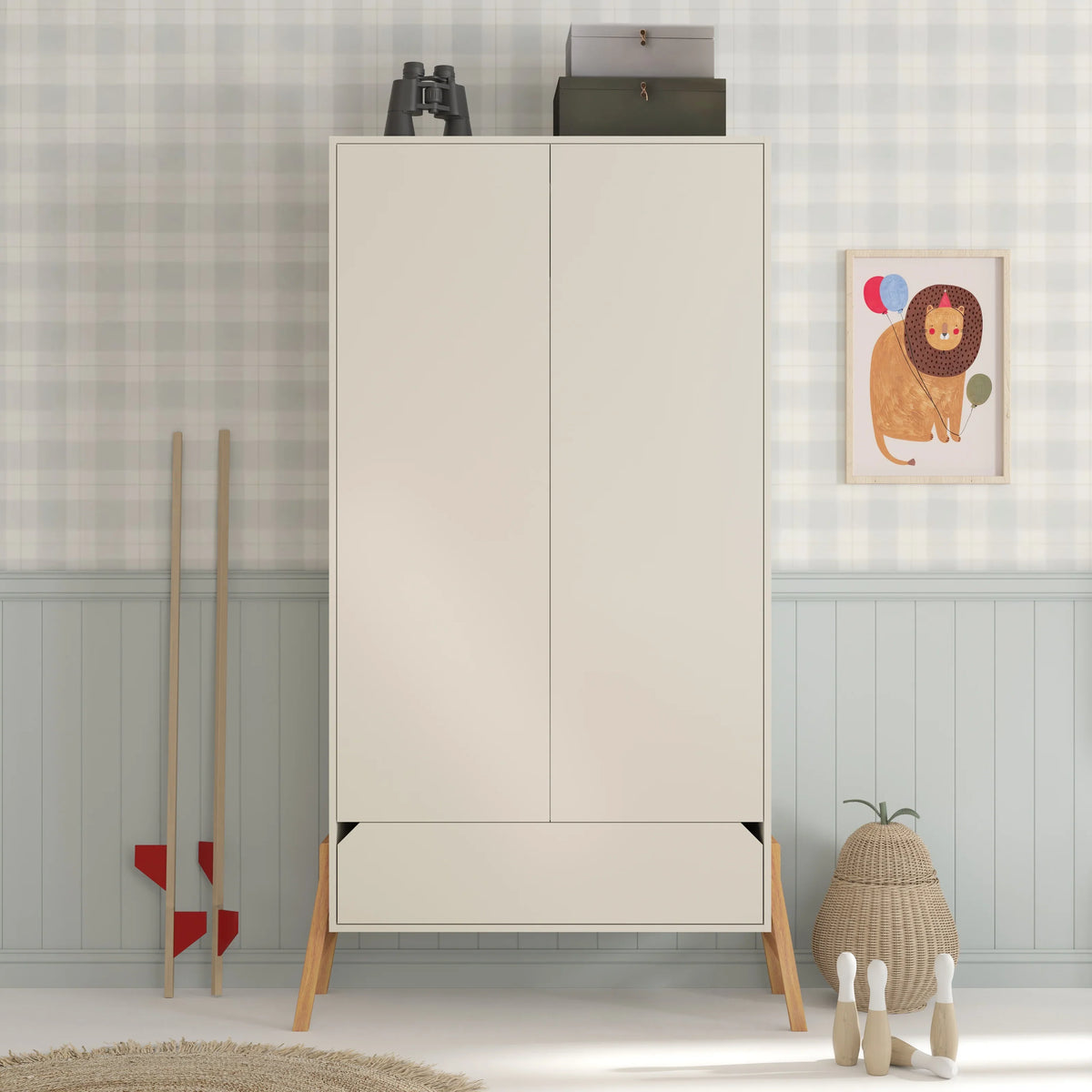
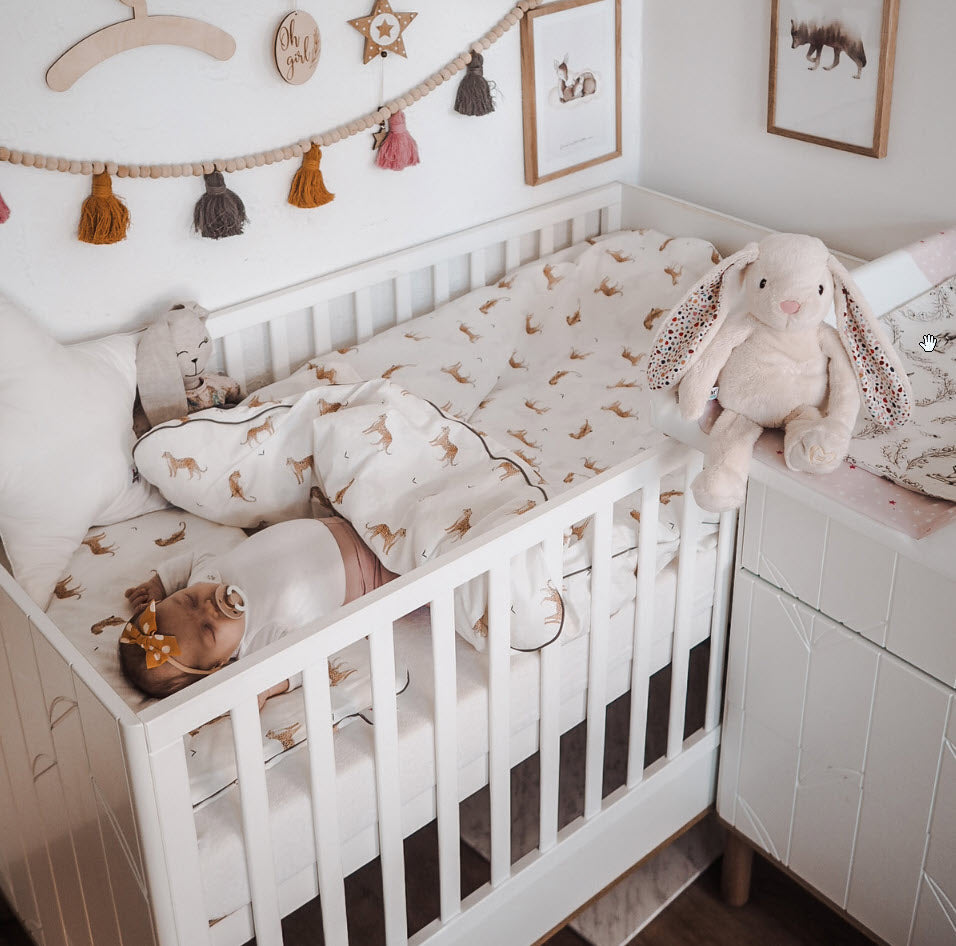
The needs of an infant from the first to the eighteenth month of life are primarily limited to sleeping, eating, a clean diaper, a sense of security, and exploring the world step by step (although real steps will, of course, come later). When caring for a little one, functional, practical, safe, and aesthetically pleasing wooden furniture for the children's room will be useful. In the So Sixty collection, inspired by 1960s design, you will find, among other things, a cot bed that can be extended for more space, a shelf that can hold many necessary accessories and toys, and a chest of drawers with the option of attaching a changing table. It is during bedtime, changing diapers, playing together, and other basic, repetitive activities that the bond determining the child's further development is formed. Together with Bellamy, ensure that the room's furnishings fully meet your and your little one's needs and facilitate building lifelong relationships!
According to research, properly built bonds in early childhood provide a real chance for the child to be able to form emotionally healthy relationships in the future and smoothly go through subsequent developmental phases, including, for example, playtime, which you will read about in our next article!




Udostępnij:
Playtime - So Sixty collection for preschoolers and students
Bellamy furniture and the Montessori philosophy