


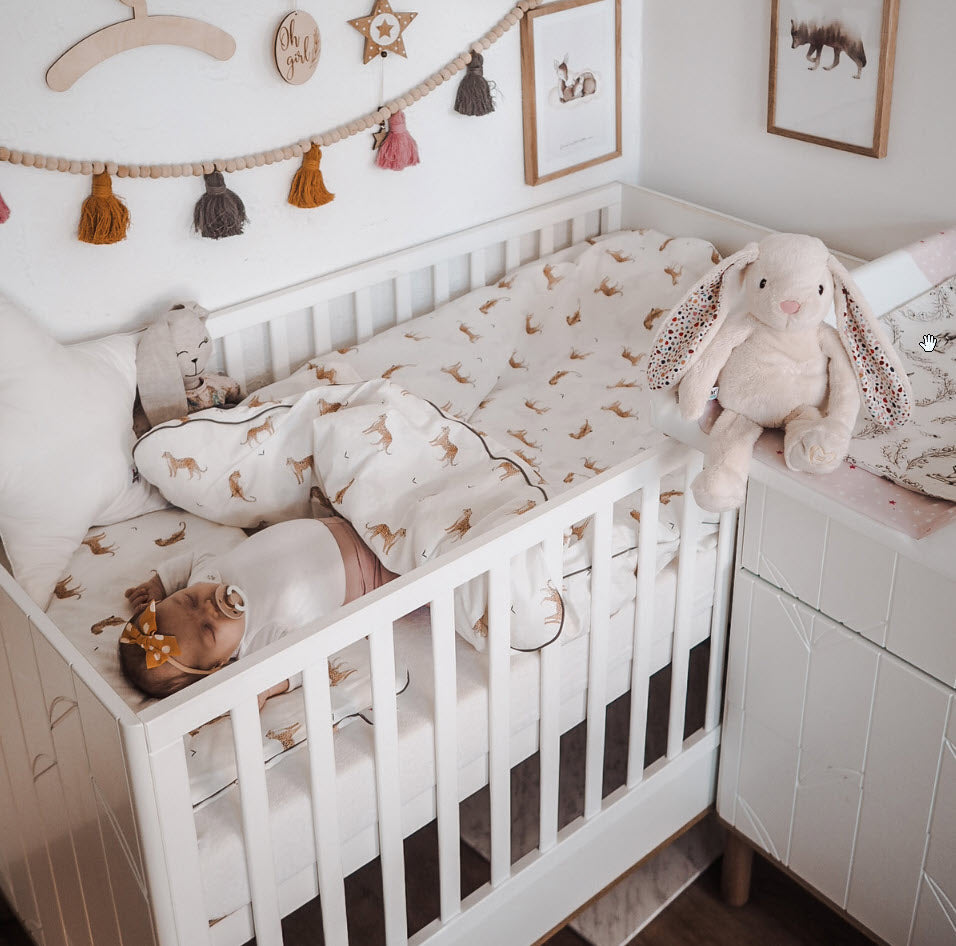
Daily newborn care can take up a significant part of the day, and in the first weeks of life, changing diapers can happen even a dozen times. That's why young parents eagerly reach for solutions that streamline their routine and allow them to perform all tasks in one place. A changing table dresser combines storage functionality with a stable space for care, making the baby's room better organized and childcare more convenient and less burdensome for the caregiver.
Why is a changing table dresser a practical solution?
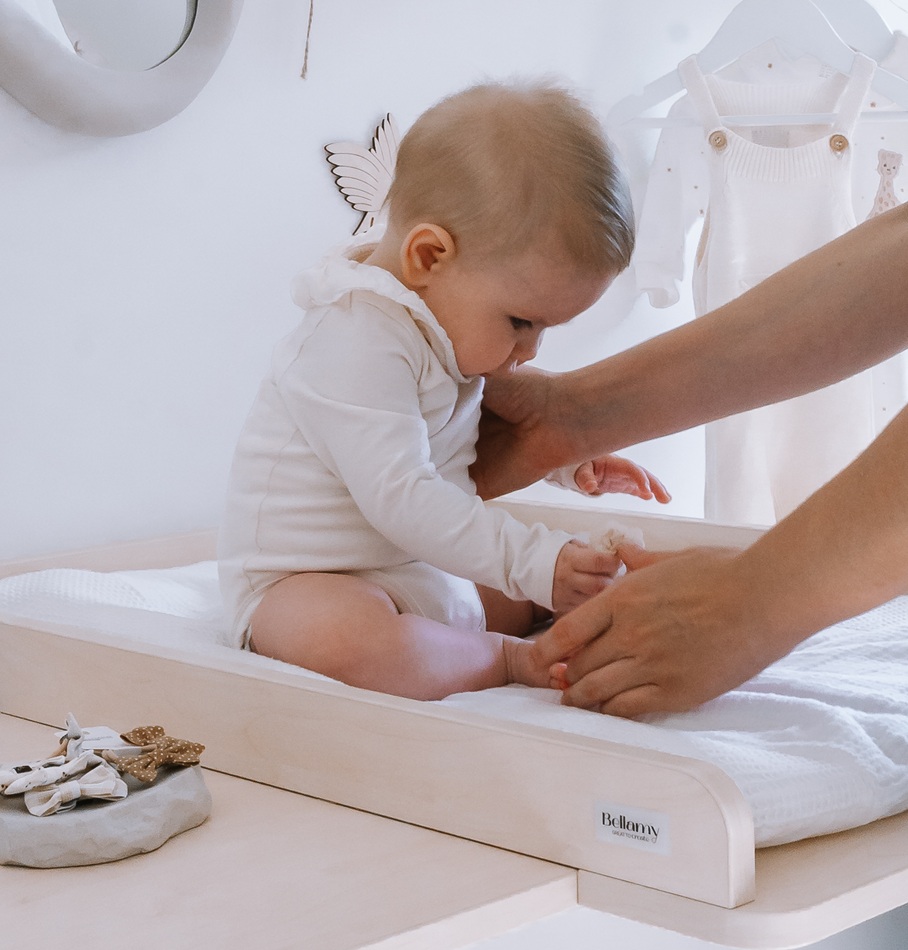
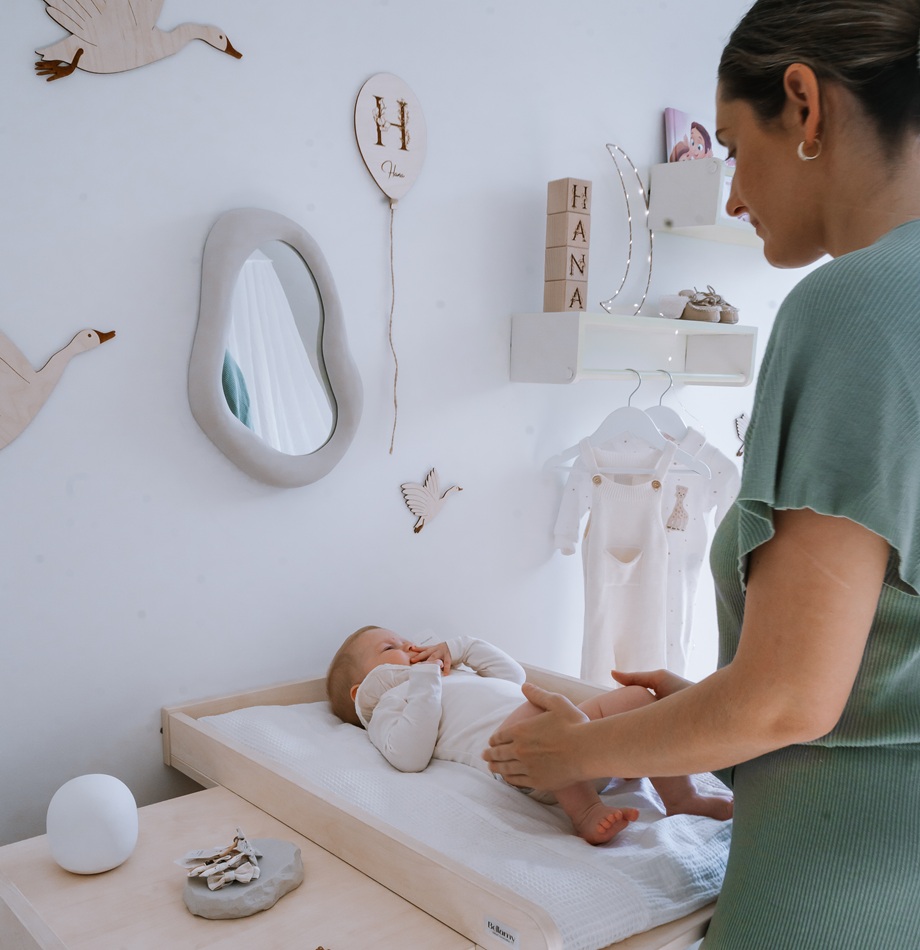
In the daily rhythm of care, every moment counts. A dresser for an infant allows you to keep all accessories right next to the baby—exactly where they are needed. In practice, this means less running around the room, no searching for cream at night, and the ability to react quickly when the newborn starts to fuss on the changing table.
Ergonomics are equally important. The appropriate height of the furniture means that changing does not require constant bending over. Parents often emphasize that it is only after a few weeks that they realize how much this relieves strain on the spine. It's worth remembering that changing isn't just about changing diapers—it also involves skin care, dressing, and checking for minor irritations. A stable surface at a comfortable height significantly streamlines all these activities.
Which changing table dresser to choose for a newborn's room?
When choosing a dresser, it's worth focusing on its daily use. Parents quickly notice the differences between models with two and three or four drawers. A changing table with drawers allows you to separate accessories by frequency of use—diapers, wipes, and cosmetics usually go in the top drawer, while spare clothes and textiles are stored below. This arrangement helps maintain order even with frequent diaper changes.
The stability of the construction is also important. The dresser should stand firmly on the floor, and the drawers should glide smoothly, without jerks that could cause the furniture to move. Parents who have previously used a freestanding changing table often find that a dresser with a fitted changing topper provides a much greater sense of security.
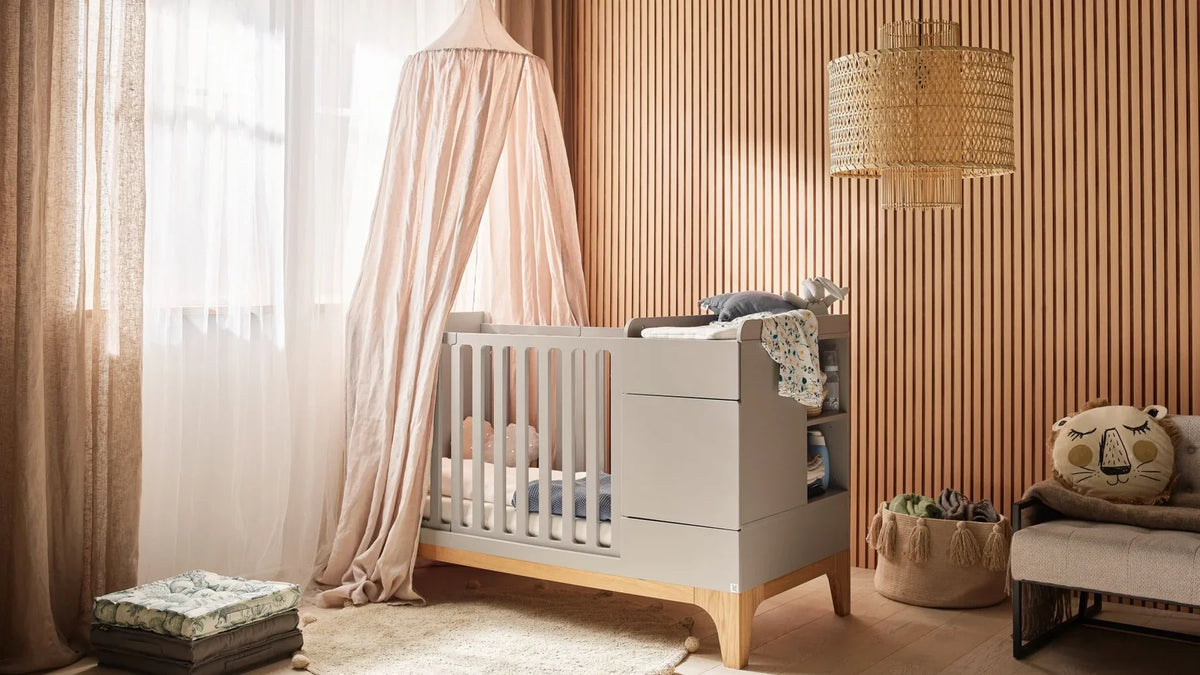
It's worth paying attention to the possibility of disassembling the changing unit. This is a practical option—when the child grows up, the furniture does not lose its function; it naturally transitions into a children's or youth dresser. This makes the purchase more thoughtful and avoids the need to replace equipment after a few months.
Convenient care every day
The placement of the dresser in the child's room greatly influences usability. The best spot is close to the crib, to avoid carrying the baby across the entire room. It's worth considering lighting—a soft lamp next to the dresser facilitates nighttime changes without waking the child with ceiling light. Parents often recommend preparing a spare shelf in a drawer for emergency clothing that can be changed in a hurry.
Choose tested furniture from Bellamy's offer
If you are looking for newborn furniture that will truly facilitate daily care, it's worth checking out the Dressers and Changing Tables category in Bellamy's offer. This brand's furniture combines practical solutions with aesthetics—spacious drawers help organize accessories, and changing tables designed for specific models can be easily removed when no longer needed. This way, the dresser grows with the child, and the room remains functional and comfortable for both the baby and parents. If you want furniture that will streamline your daily routine from the very first days, it's worth choosing a 2-in-1 solution tailored to your space and style.



Udostępnij:
When should you install a protective bed rail in a child's bed?
Third trimester of pregnancy - the final stretch and fine-tuning the layette details