


A tidy space is primarily a tool that supports concentration, enables more effective learning, and time management. It promotes healthy emotional development, teaching the child responsibility and how to manage their belongings. In an organized space, the little one also has easier access to their toys, books, or educational materials, creating a space for free creativity, innovative thinking, and discovering new passions.
Psychological aspects of an organized environment
An environment where everything has its place has a positive impact on a child's development, both psychological and emotional. A clean space gives the child a sense of control, thus increasing their comfort in that interior. An organized environment also supports concentration, intellectual development, and creativity, allowing the child to fully engage in tasks. When there are no unnecessary stimuli in the form of scattered objects, the child can more easily focus on tasks and activities that develop their cognitive skills. Order at home also affects relationships between family members. If a child is taught from an early age how to care for their belongings and space, they not only develop a sense of responsibility but also learn to respect the shared home space.Practical ways to organize toys, books, and clothes
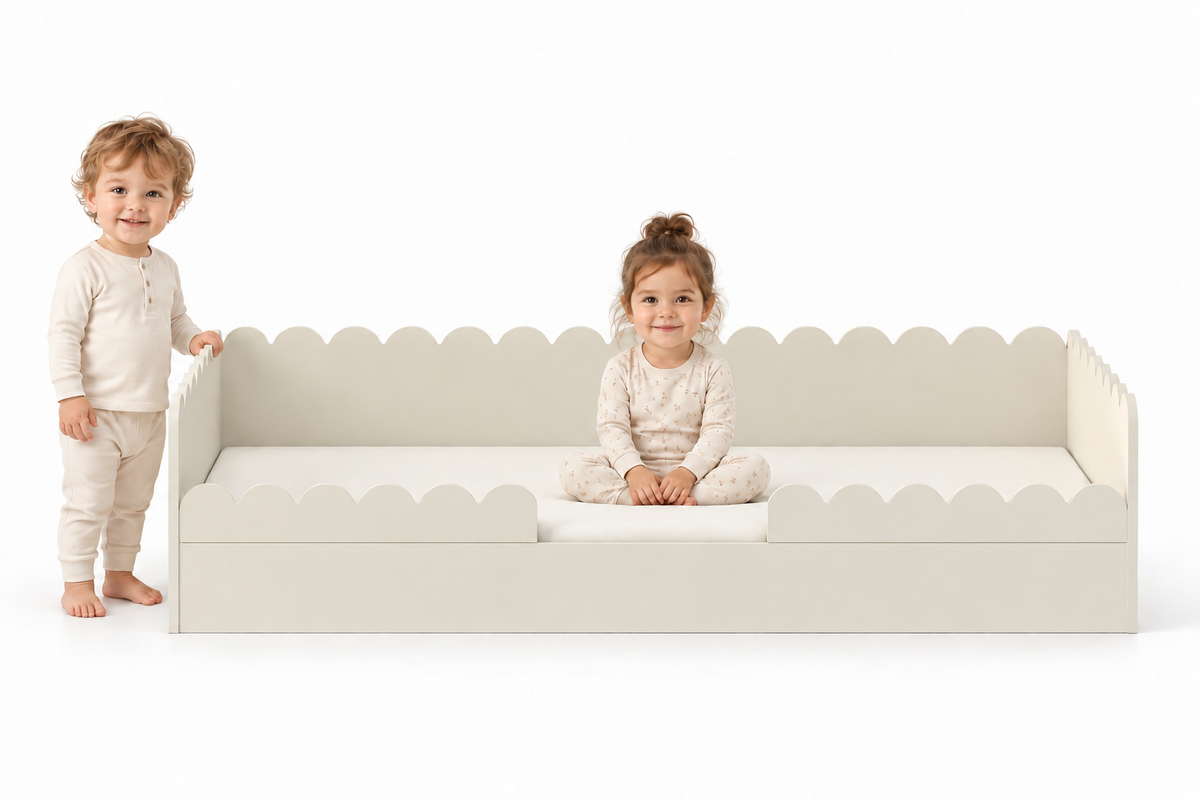
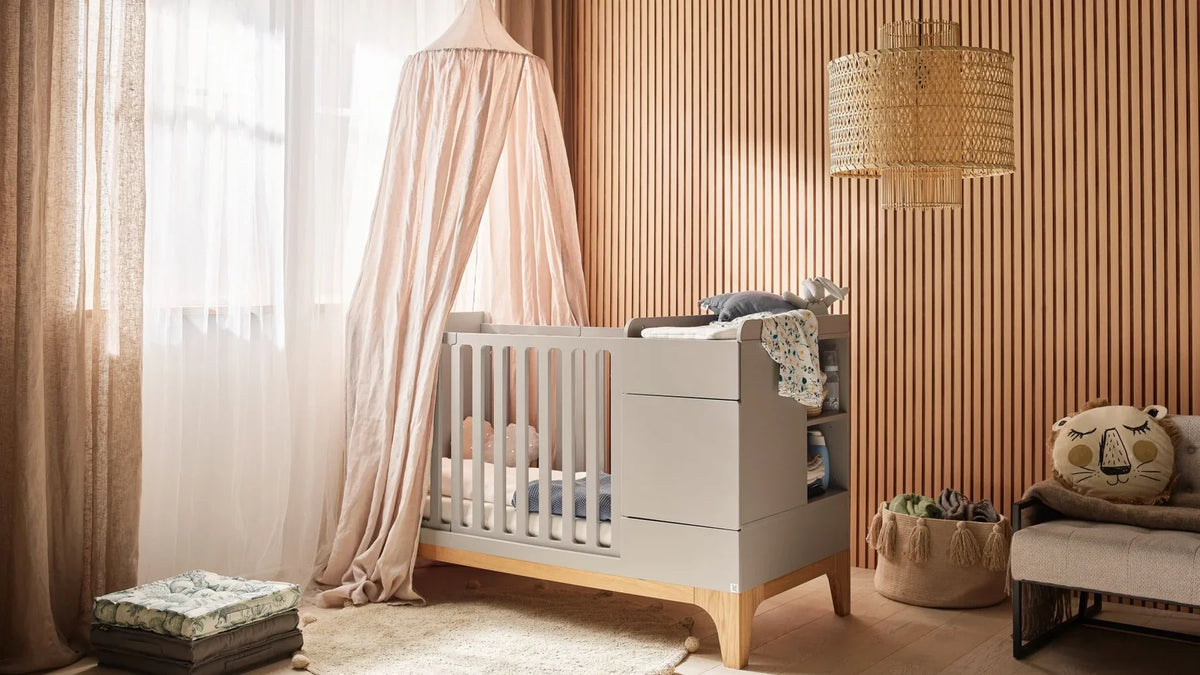
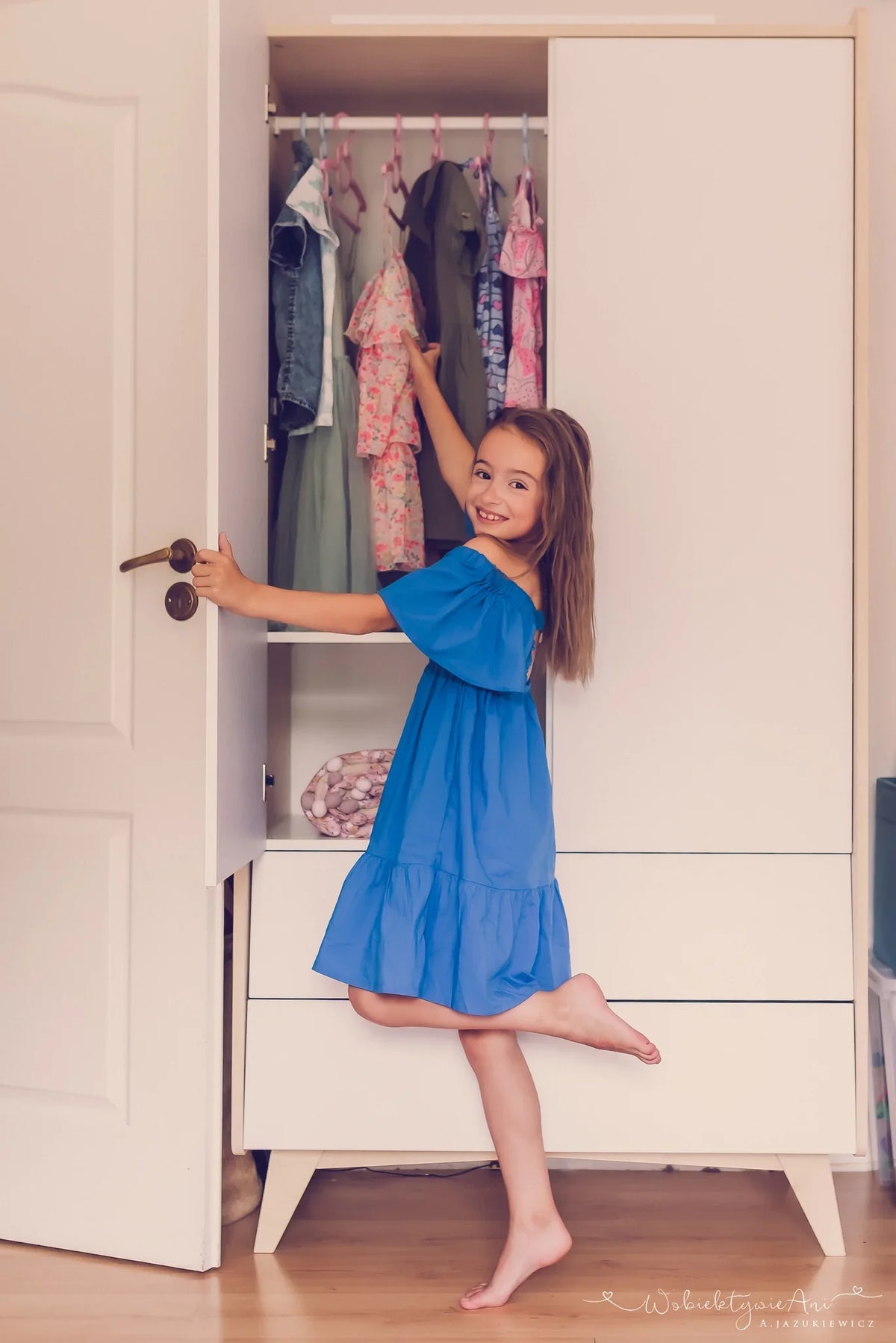
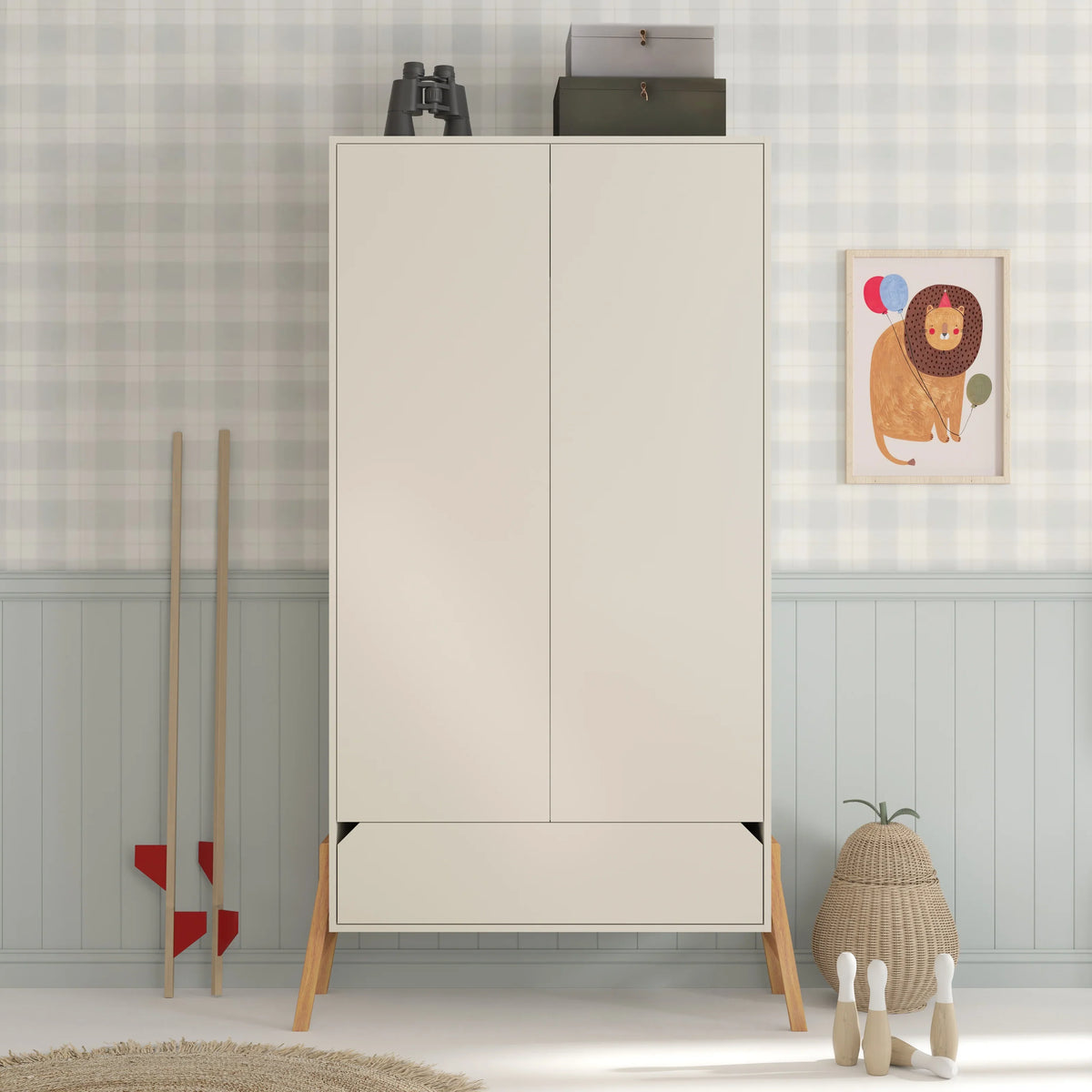
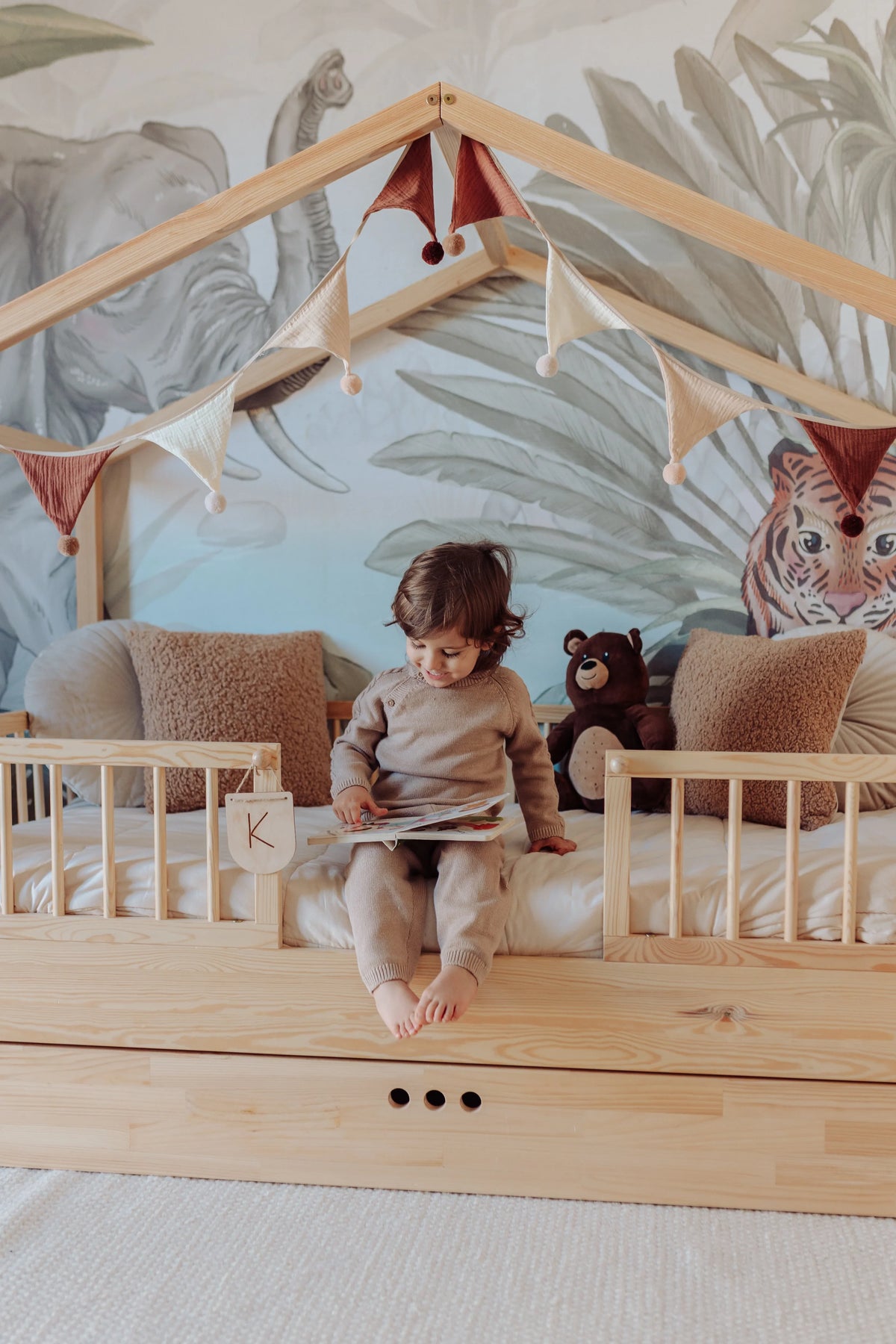
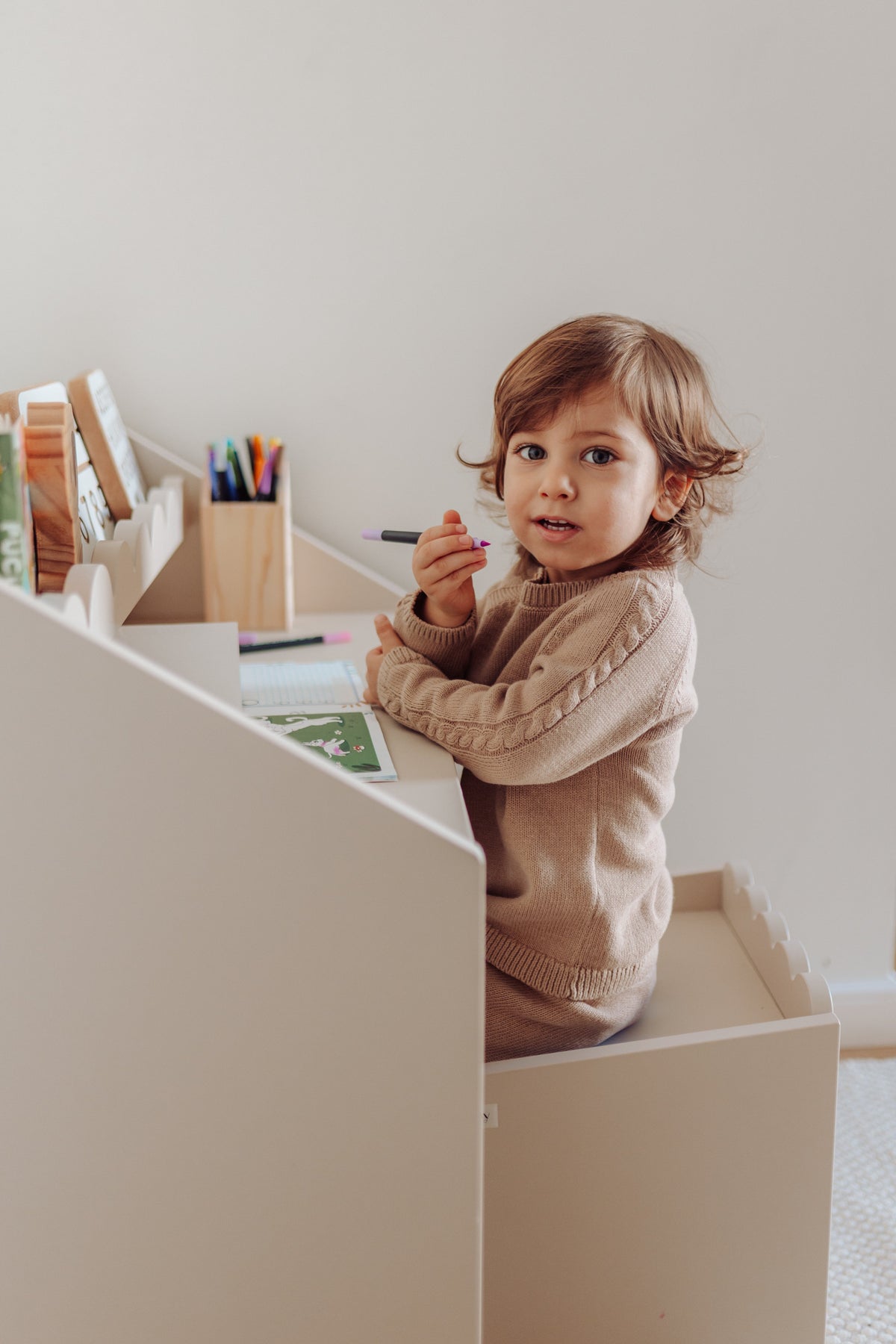
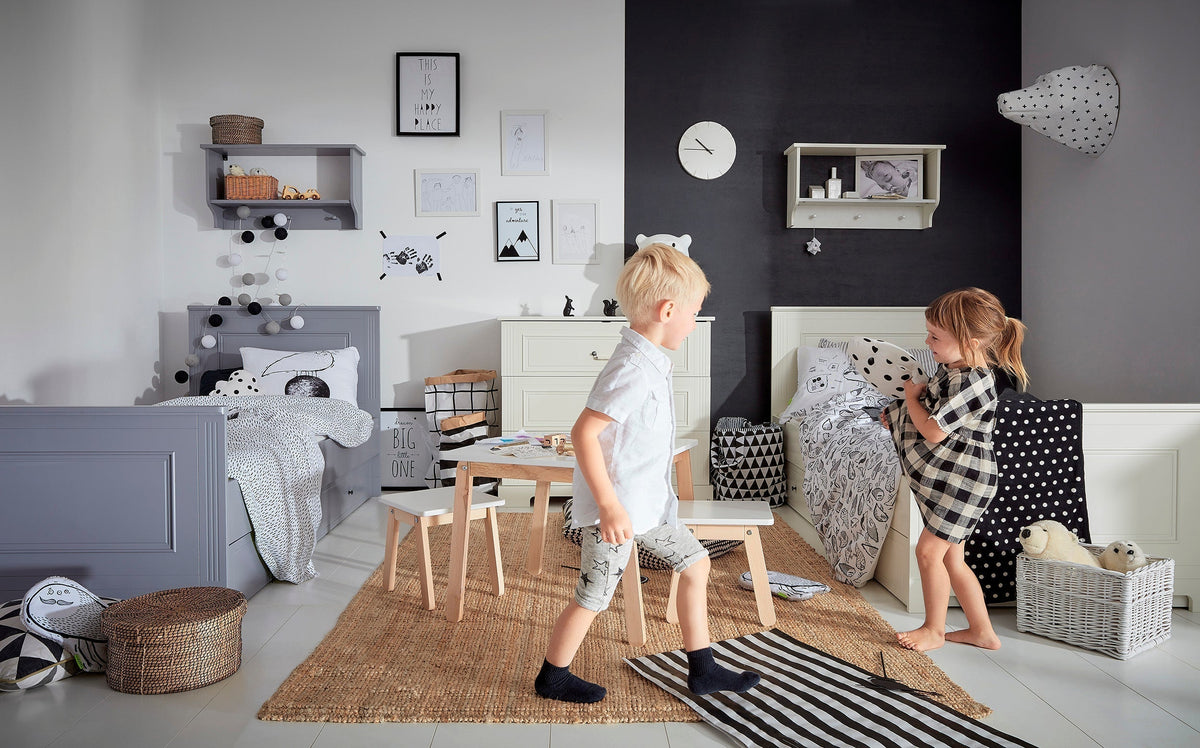
Every parent knows how quickly a child's room can turn into a mess, especially with toys, books, and clothes. So, how do you manage chaos and create a space that will foster a child's development? Solutions from Bellamy can be a way to maintain order. Comfortable toy chests or shelves with compartments allow for easy organization of various items, while also providing quick access to them. A good investment is also shelves with a bookcase for books, dressers, or shelves in the shape of a house. At Bellamy, we also recommend our spacious wardrobes and desks – all the furniture we offer will help maintain order on a daily basis.




Udostępnij:
Family co-sleeping – what if your toddler prefers the parents' bed?
A Montessori corner at home – how to create a space that supports your child's development